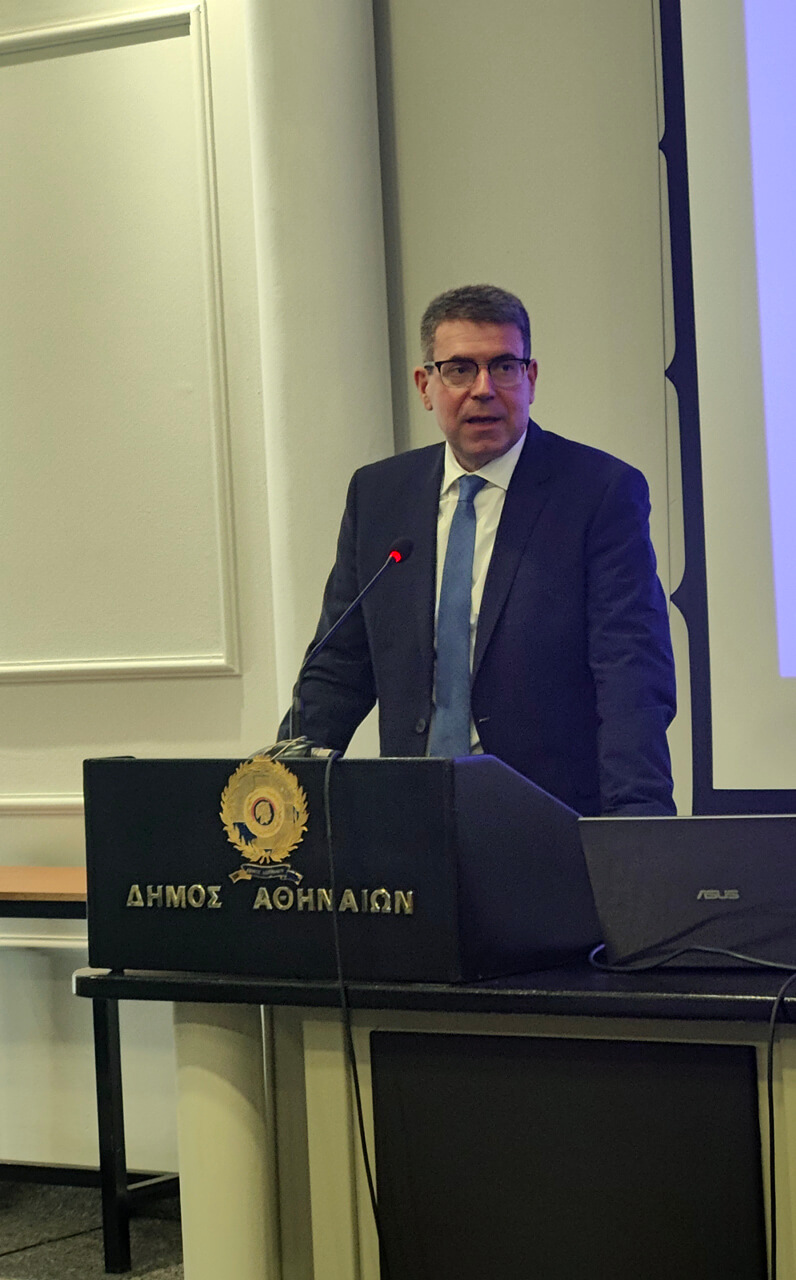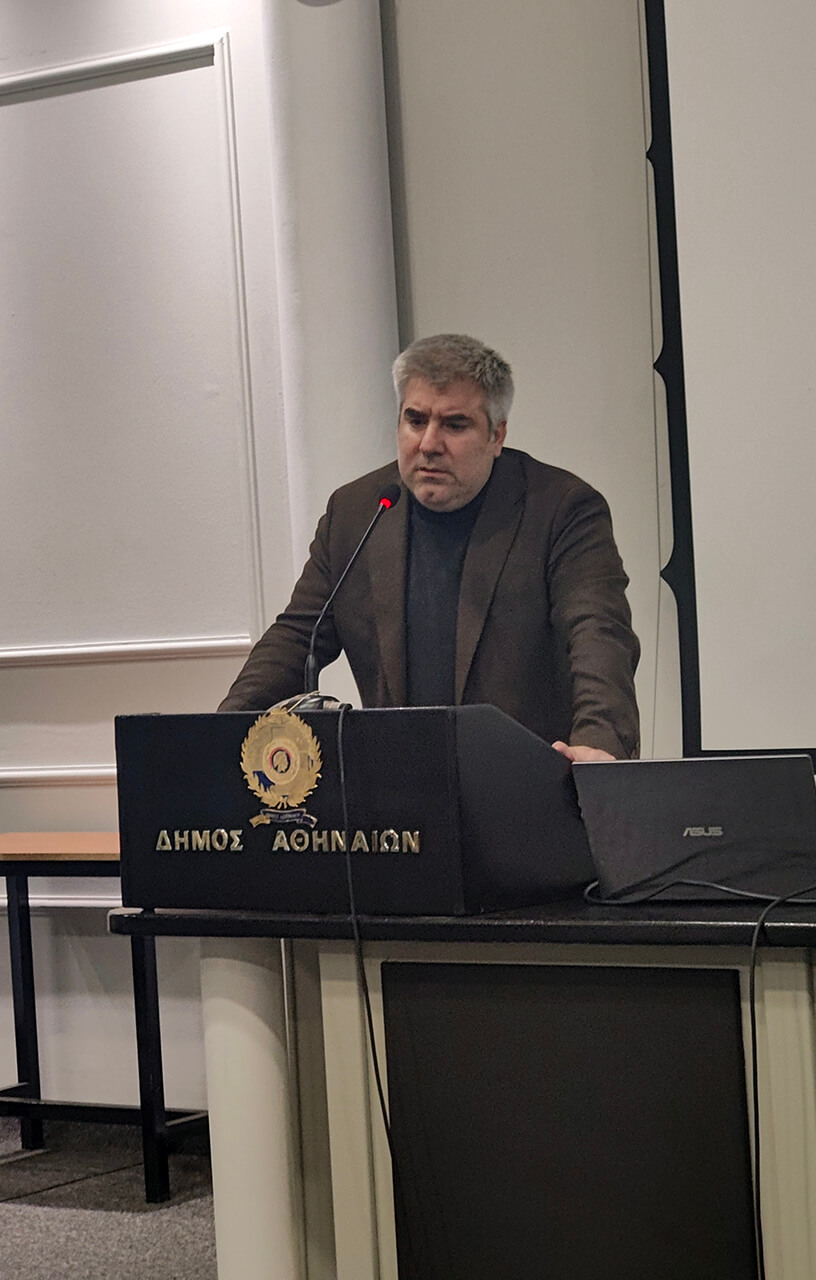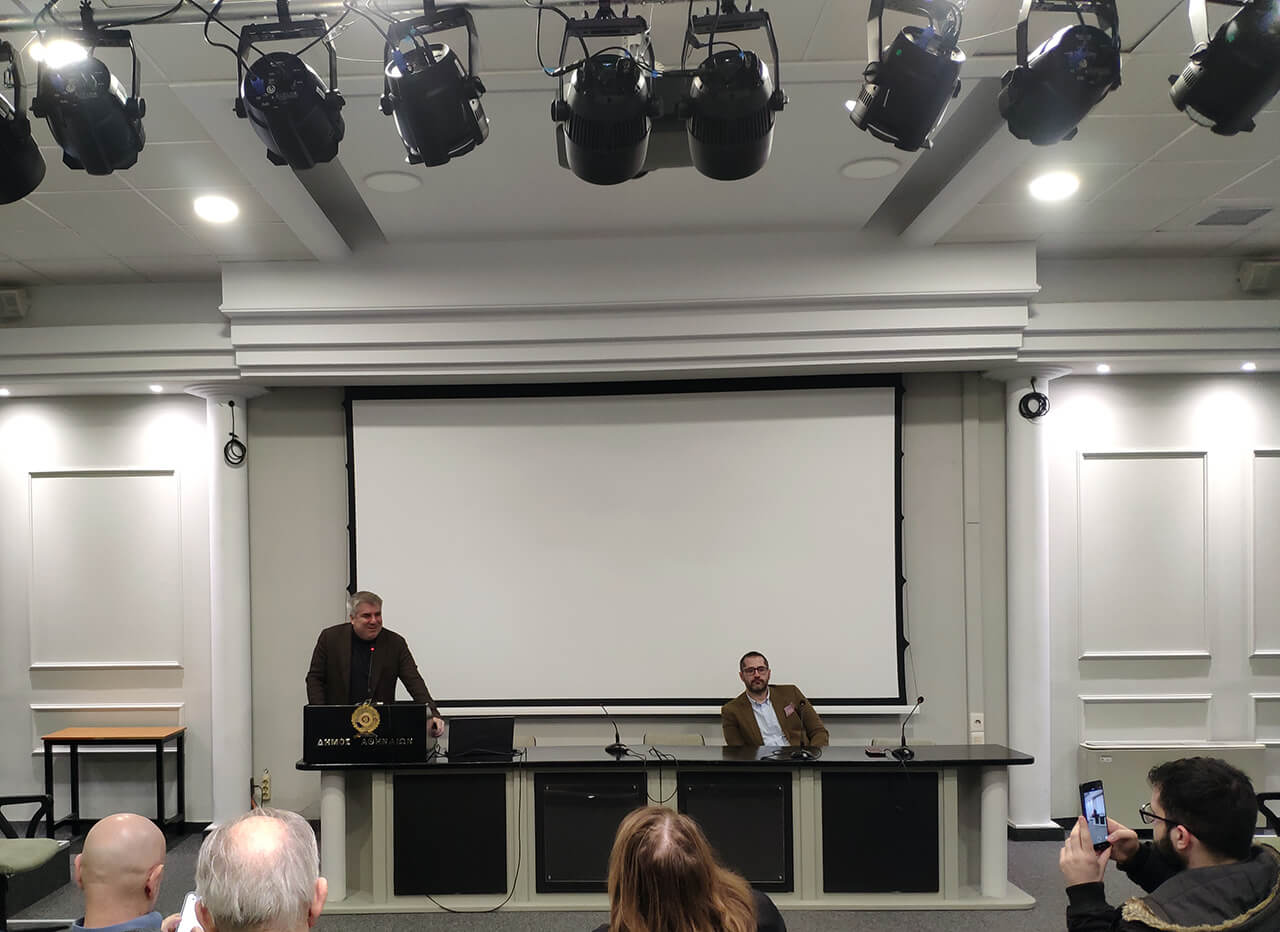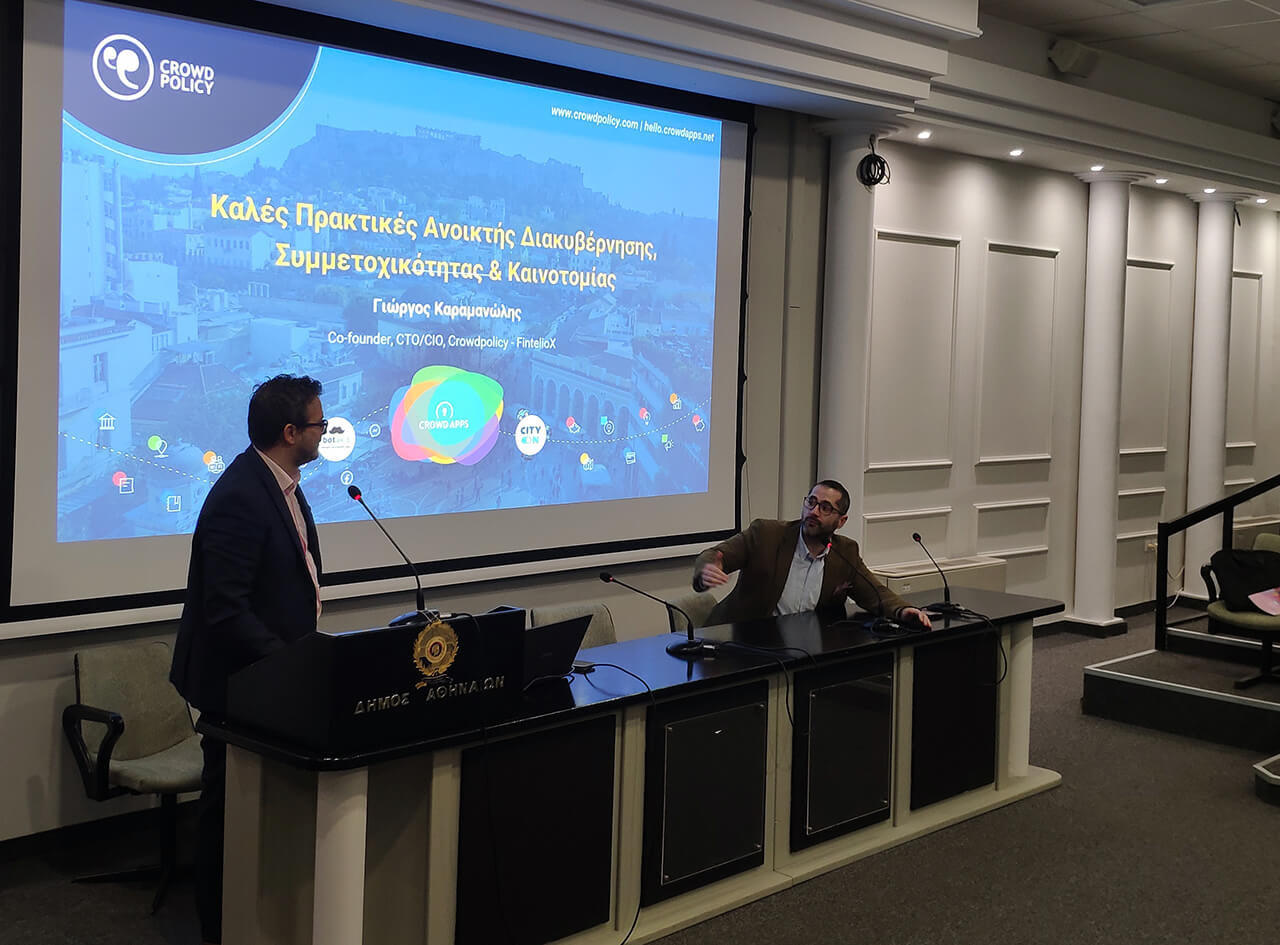
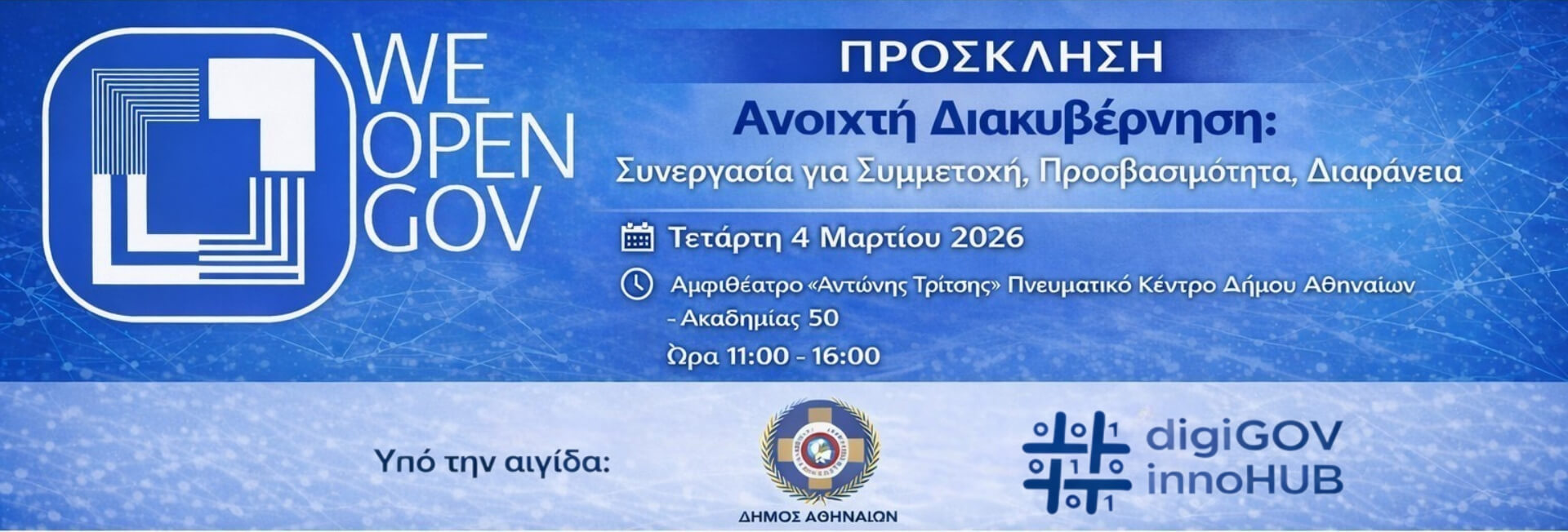
On Wednesday, March 4, 2026, from 11:00 to 17:00, the 4th WeOpenGov Forum took place at the “Antonis Tritsis” Amphitheatre of the Cultural Centre of the Municipality of Athens, under the theme: “Open Governance: Collaboration for Participation, Accessibility, Transparency”.
The event was organized within the framework of the OGP Local Athens initiative, under the auspices of the Municipality of Athens and the European Digital Governance Innovation Hub, GR digiGOV-innoHUB.
Representatives of public institutions, local government, the academic community, civil society organizations, and technology companies participated in the Forum, along with citizens interested in the values of participation, transparency, and accountability.
Opening remarks were delivered by Mr. Demosthenis Anagnostopoulos, Secretary General for Information Systems and Digital Governance of the Ministry of Digital Governance, and Mr. Panagiotis-Paris Harlaftis, Deputy Mayor for Technical Services, Municipal Property, and Digital Governance of the Municipality of Athens.
This was followed by the keynote speech titled “OpenGov 2” by Mr. Giorgos Karamanolis, co-founder of Crowdpolicy, who referred to the contemporary challenges and prospects of open governance through the use of technology and digital tools.
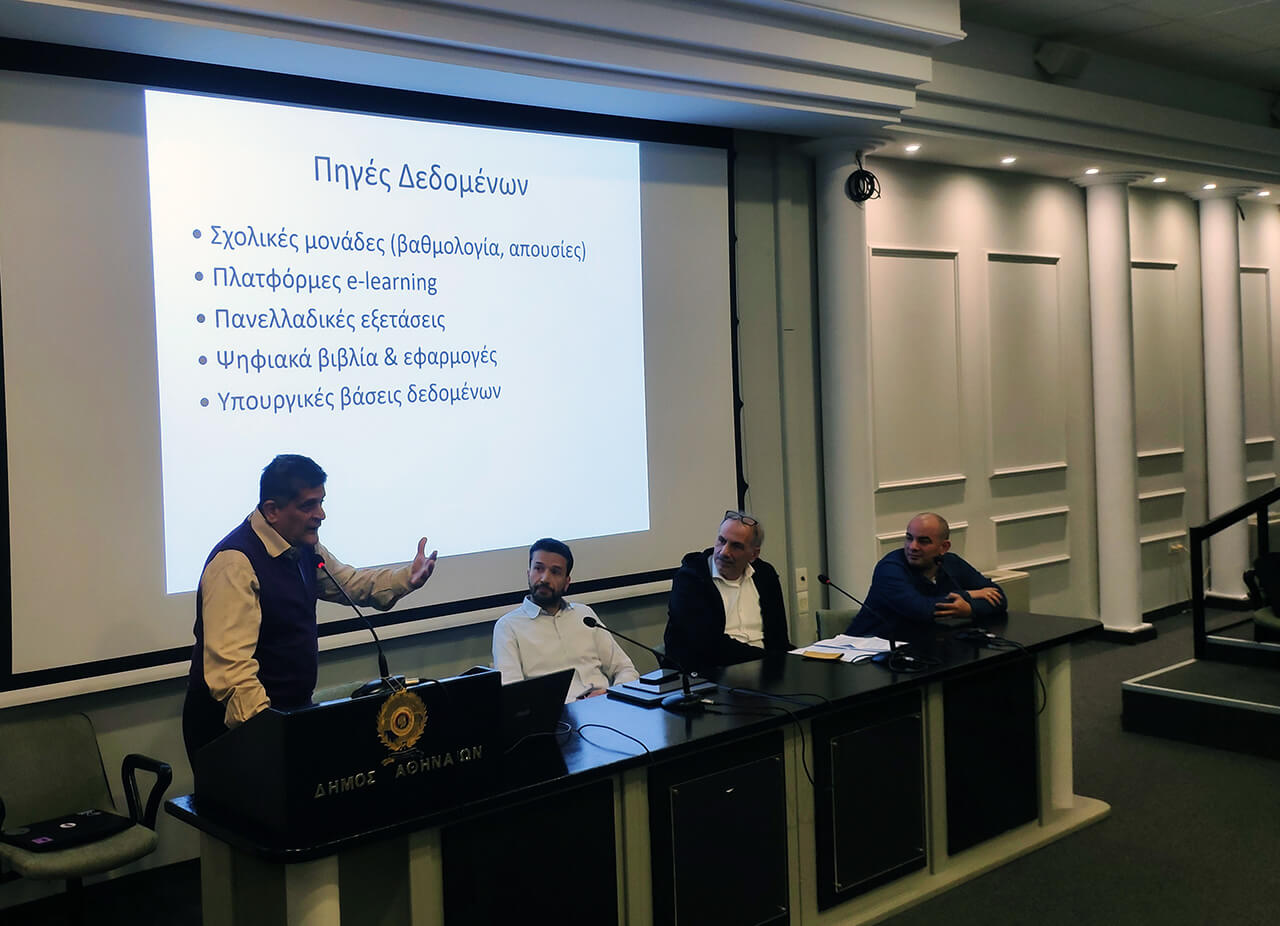
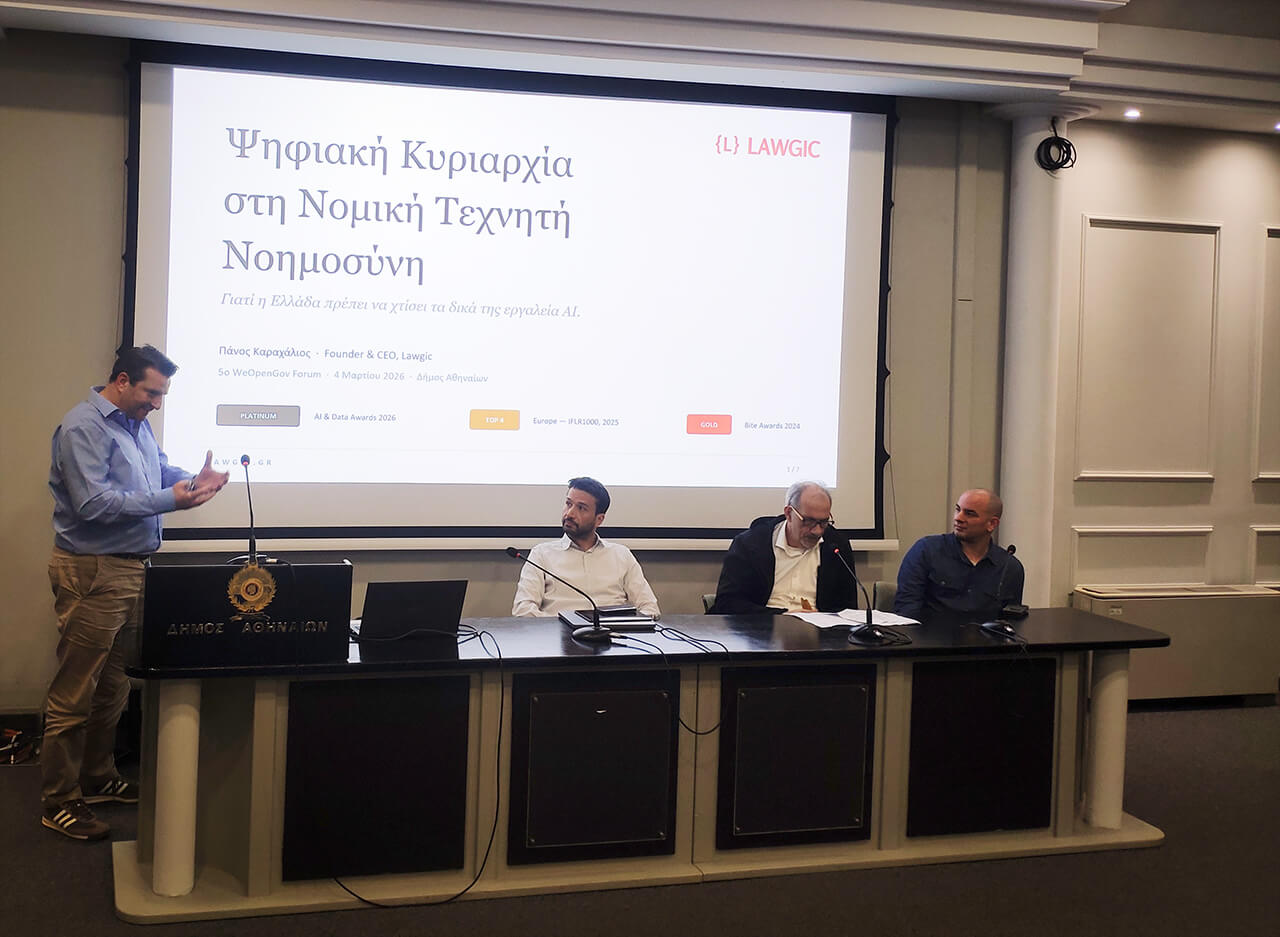
The first thematic session, titled “GovTech for Open Governance: Innovative digital solutions for participation, transparency and accountability” focused on the opportunities offered by technological applications to strengthen democratic participation. The discussion featured Mr. Panos Karachalios (Founder & Product @ Lawgic IKE), Mr. Ioannis Vrettaros (Technical Expert at the Ministry of Education), Mr. Evangelos Markopoulos from EMT Technologies IKE (Petora.ai), and Mr. Ioannis Fytros (Officer at the Department of Technology, Information and Communications of the Municipality of Athens).
Mr. Panos Karachalios referred in particular to the AI platform Lawgic, highlighting the challenges and new conditions faced by similar initiatives, as well as the pressing need to develop Greek data repositories in order to support the creation of reliable artificial intelligence tools.
Mr. Ioannis Vrettaros presented the National Educational Data Ecosystem, outlining a comprehensive proposal for the digital transformation of education through the use of data and digital infrastructures.
From his side, Mr. Evangelos Markopoulos presented Petora.ai, an AI platform that leverages data to promote the welfare of companion animals and to support municipal digital services related to stray animals.
Finally, Mr. Ioannis Fytros highlighted the need to strengthen the digital sovereignty of local government through the adoption of open, self-hosted communication infrastructures, which enable greater control over data, interoperability, and strategic technological autonomy.
The discussion was moderated by Mr. Spyros Kapetanakis, officer at the Directorate of Digital Governance and Digital Skills of GRNET S.A. and the GR digiGOV-innoHUB.
The second session, titled “Municipality of Athens & OGP Local: Open policies for accessibility, housing and energy democracy” highlighted the initiatives undertaken by the Municipality of Athens within the framework of its participation in the OGP Local programme. The discussion featured Ms. Eleni (Elena) Mantzavinou, Appointed Advisor for Accessibility in the Municipality of Athens, Mr. Emmanouil Fragkoulopoulos from the Department of Resilience and Sustainability of the Municipality of Athens, and Mr. Lazaros Petromelidis, associate at the Mayor’s Office for Housing Policies.
Ms. Elena Mantzavinou referred to the challenges faced by persons with mobility and other accessibility needs in their daily movement within the city, as well as to the widening gap in digital accessibility. She presented the comprehensive commitment to strengthen both physical and digital accessibility within the framework of the Municipality’s OGP Local action plan, as well as the progress achieved both in the implementation of the “Proseggizo” programme — which will provide mobile and digital support to persons with disabilities and psychosocial difficulties — and in the training of municipal staff and supervised legal entities on issues related to digital accessibility.
Mr. Emmanouil Fragkoulopoulos highlighted the contemporary challenges faced by the Municipality of Athens in the areas of resilience and sustainability, noting how the Municipality’s commitment to strengthening transparency and public accountability through its participation in OGP Local is expected to play a decisive role in improving citizens’ perception of local government.
From his side, Mr. Lazaros Petromelidis presented the initiatives of the Municipality of Athens in the field of social housing for vulnerable population groups. He referred to the challenges the city faces in this area, as well as to policy proposals aimed at strengthening access to adequate housing, within the framework of the Municipality’s commitment to an Open Participatory Housing Matching Platform.
The discussion was moderated by Mr. Ioannis Fytros in his capacity as the Municipality of Athens’ point of contact for OGP Local.
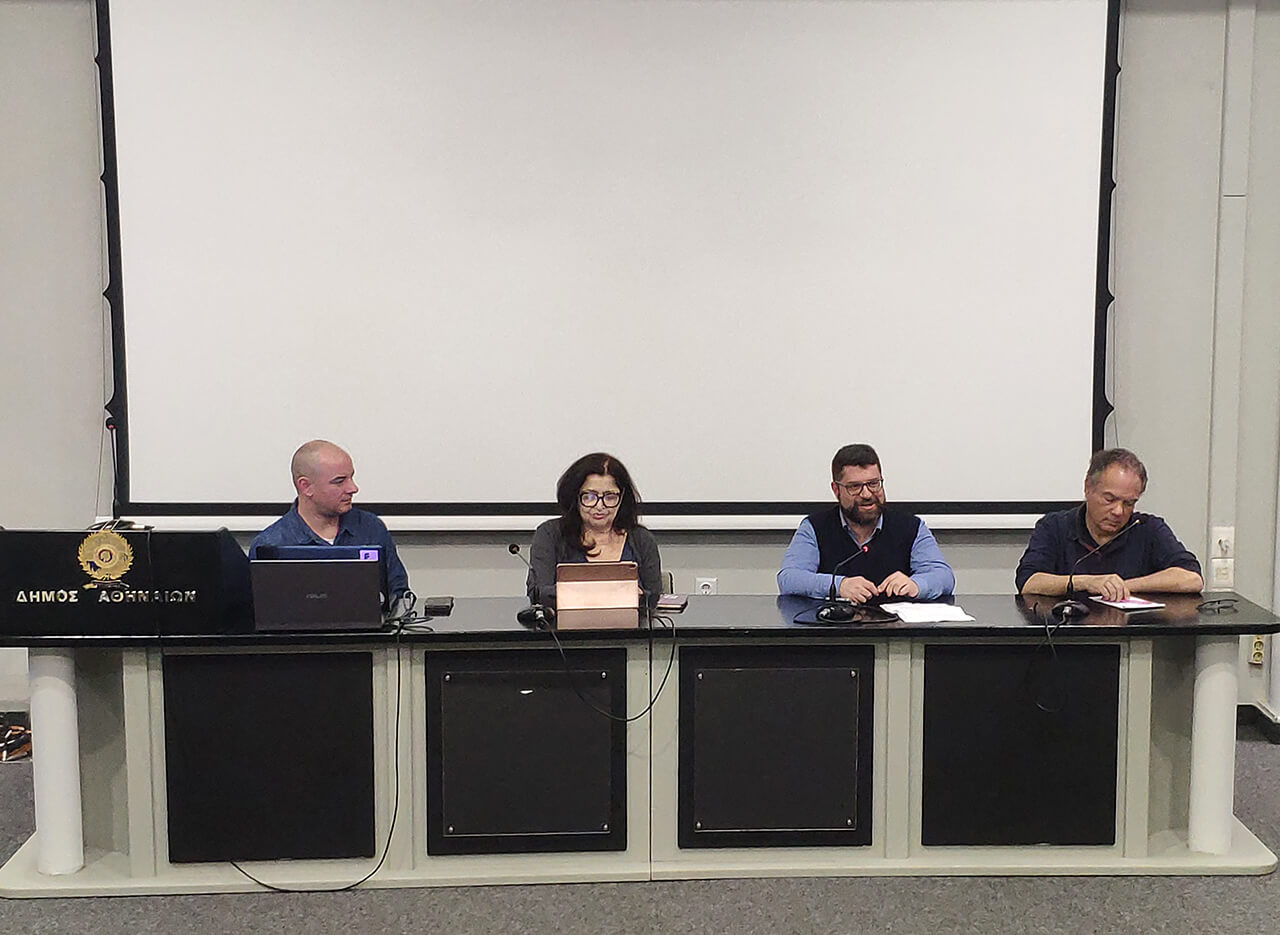
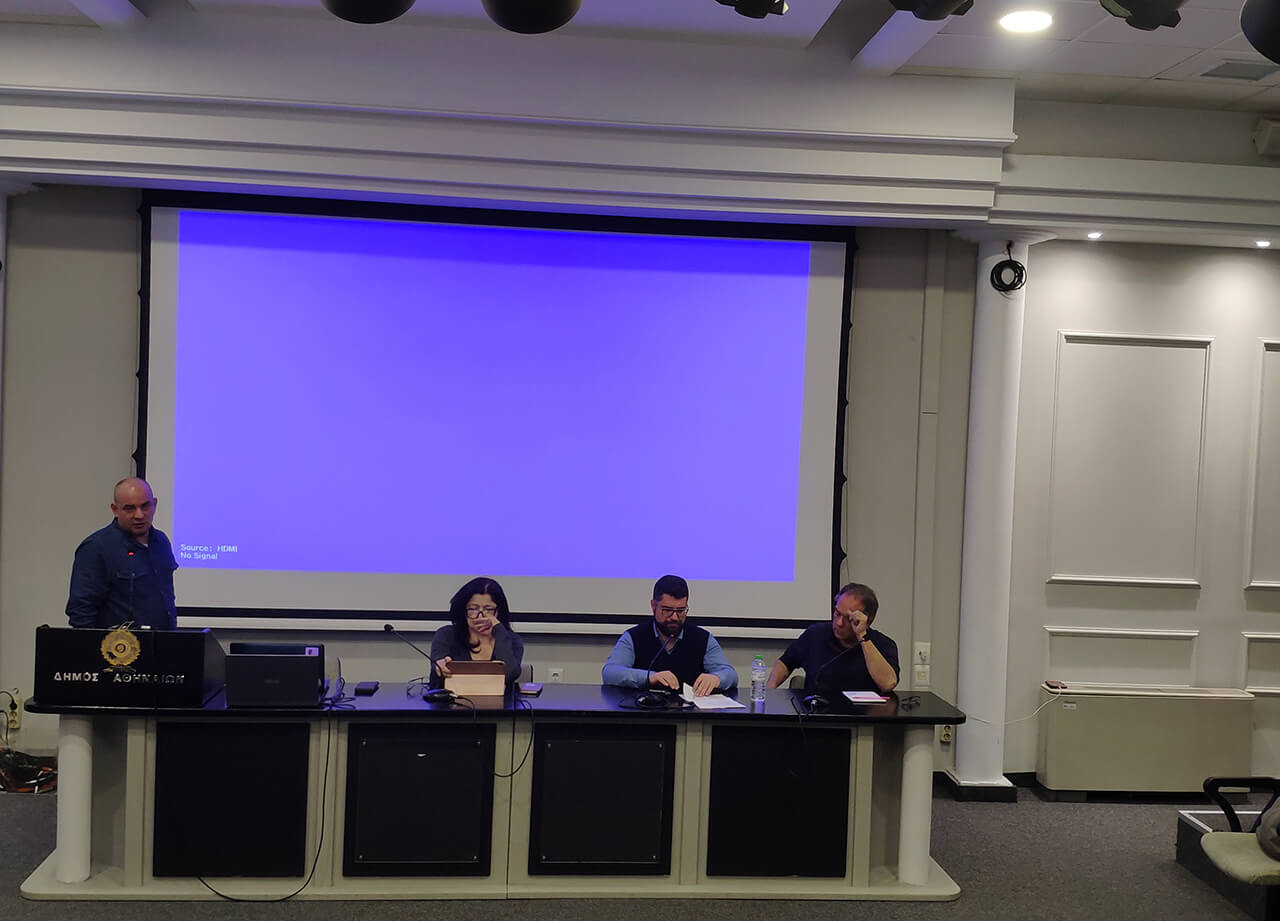
The third session, titled “Civil Society as a Partner: Accountability, care and artificial intelligence in open governance” focused on the role of civil society organisations in strengthening accountability and participatory democracy.
Mr. Stefanos Loukopoulos, Director and co-founder of Vouliwatch and LocalWatch, referred to the role of civil society in strengthening accountability and care within the framework of open governance, while also highlighting the challenges that civil society organisations often face in terms of their operation and sustainability.
Mr. Athanasios Pittis, from the “Jenny Karezi” Palliative Care Unit, presented the work of the Unit, highlighting the challenges faced by the field of palliative care, as well as proposals that could contribute to better promoting the values and activities of the Unit.
Mr. Alexandros Melidis, General Director of GFOSS – Open Technologies Alliance and partner of AI4Deliberation, referred to the innovative AI platform AI4Deliberation, pointing out both the opportunities and the risks that may arise from the use of artificial intelligence in democratic processes. He also presented related challenges and policy proposals, emphasising that “artificial intelligence tools in public consultations should be designed to serve creative democratic ‘disorder’.”
Finally, Mr. Evangelos Moumtzis, coach of the Greek National Ju-Jitsu Team and Administrative-Financial Officer at the Region of Central Greece, referred to the benefits of developing databases and interoperability in the field of sports, underlining the importance of sports for the physical and mental well-being of citizens.
The discussion was moderated by Dr. Angelos Kaskanis, Executive Director of Transparency International Greece.
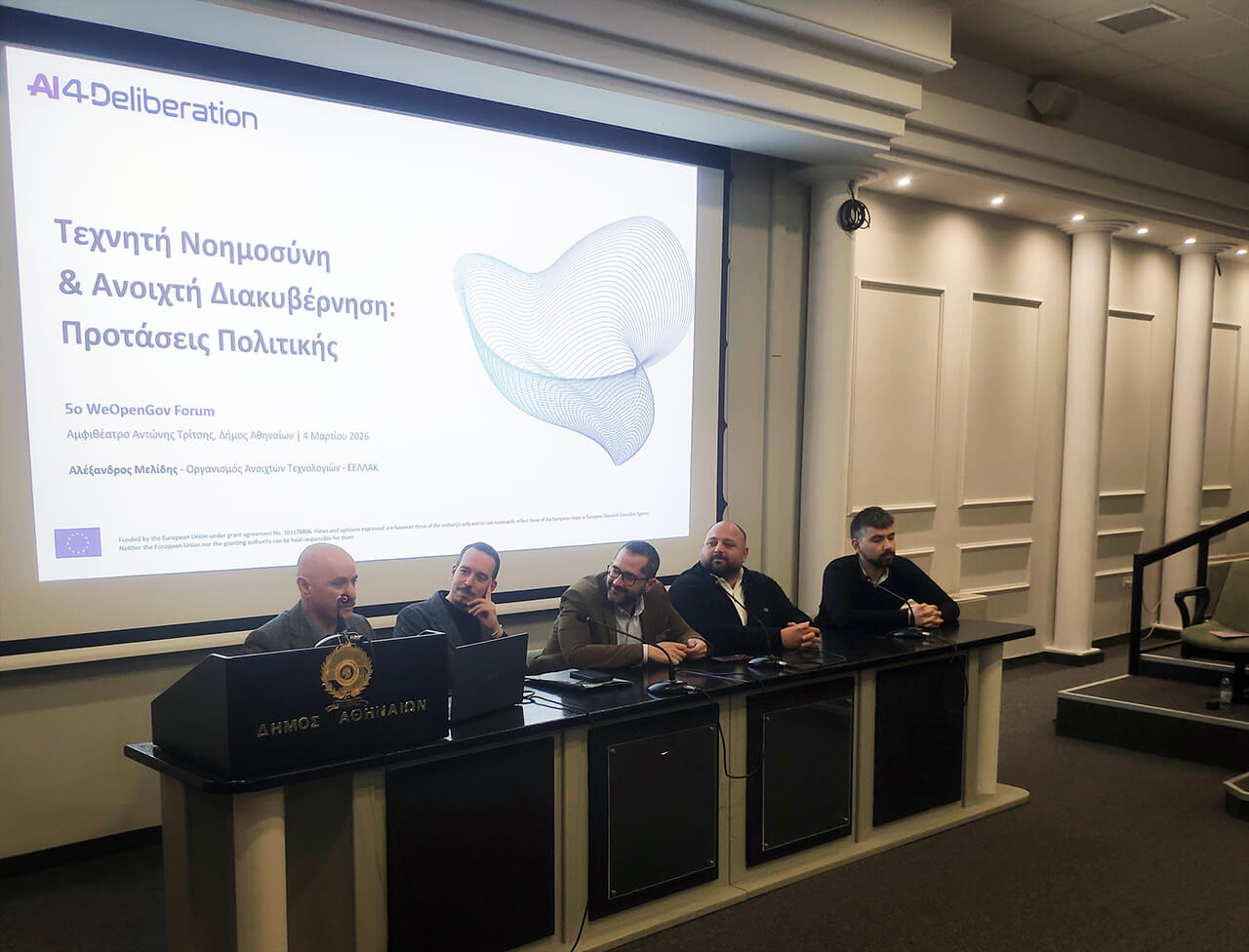
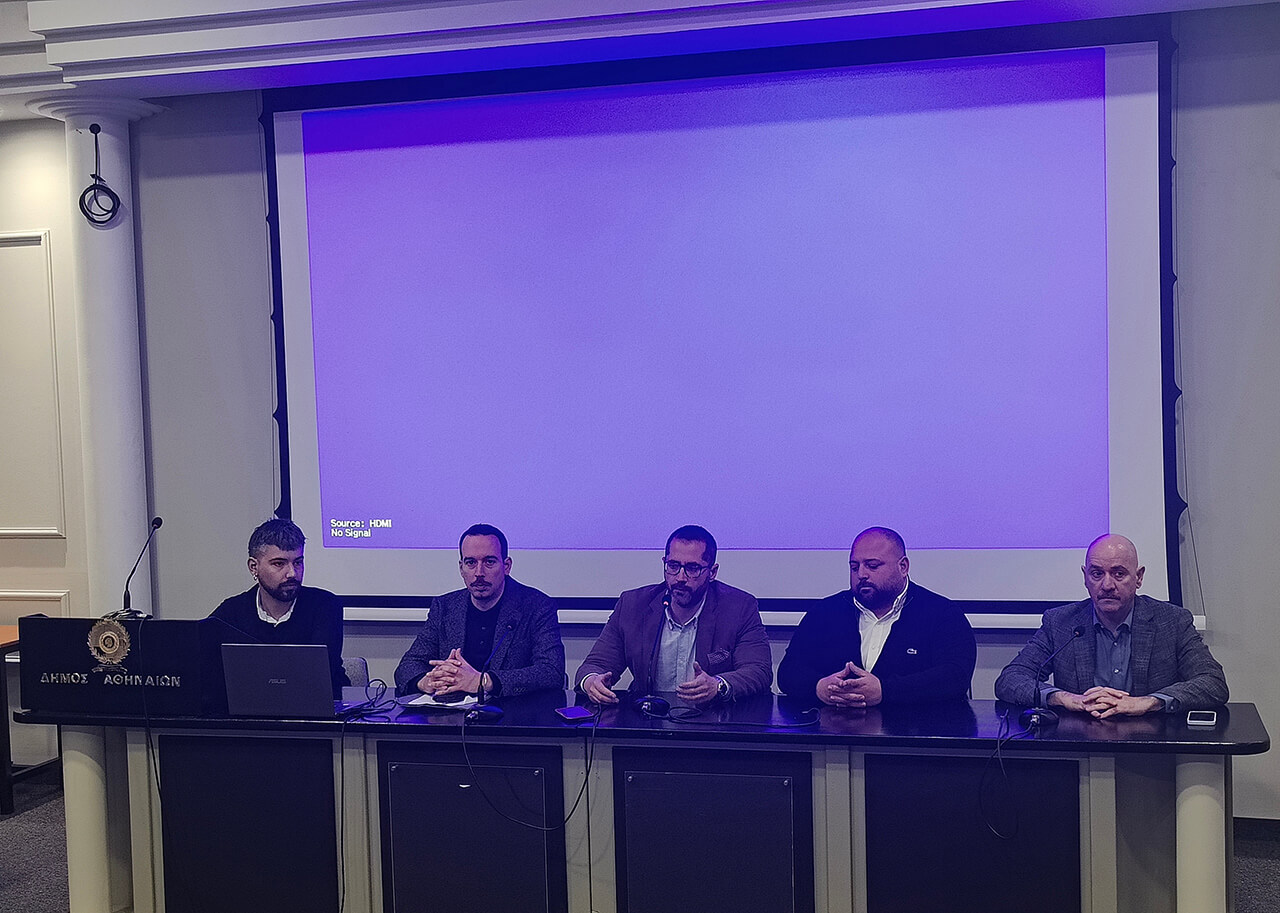
The event concluded with the presentation of the Forum’s conclusions by Dr. Angelos Kaskanis, Mr. Ioannis Fytros and Mr. Spyros Kapetanakis, who emphasised the importance of cooperation between public institutions, civil society and the technology community in strengthening transparency, citizen participation and accountability in public administration.
The WeOpenGov Forum aims to establish a nationwide, permanent and operational Network of Stakeholders for Open Governance. This network aspires to bring together civil society organisations, public institutions, the academic community and the private sector, promoting transparency, accountability and citizen participation at the local level. At the same time, it functions as the Multistakeholder Forum of the Municipality of Athens within the framework of its participation in OGP Local.
Statement by Deputy Mayor Mr. Panagiotis-Paris Charlaftis
For the Municipality of Athens, open governance is not an abstract concept, but a concrete commitment to how we design and implement our city’s public policies. Through our participation in the OGP Local initiative and the implementation of our first Open Government Action Plan, we seek to strengthen transparency, accountability and citizen participation in decision-making. The WeOpenGov Forum represents an important step in this direction, as it brings together public administration, civil society, the academic community and the technology community around the same table, creating an open space for dialogue and collaboration on the future of the city. Athens actively participates in the international open governance community and is committed to continuing to invest in policies that strengthen citizens’ trust and make democracy more participatory and more effective in practice.